Gifts for Grandparents Who Insist They Want Nothing
Summary
The best gifts for grandparents fit a routine they already have. A printed photo book needs no technology, a regional food box leaves no clutter, and a better lamp, knife or slipper gets used daily. Experiences work when they are short and close to home. Skip gadgets that need setup, order custom work three weeks early, and ask one question first: what did you use most this week?

Gifts for grandparents work when they fit a routine that already exists: the morning coffee, the Sunday phone call, the shelf by the armchair. Skip anything that needs setup, a password, or a manual. Start with what they use daily, then upgrade it, or pick something consumable or shared that leaves no clutter behind.
Why "I don't need anything" is an instruction, not a refusal
When a grandmother says she wants nothing, she usually means three things. She does not want to store another object. She does not want you to spend money you do not have. And she does not want to learn a new gadget at 79.
That is a brief, and a good one. It rules out most of what fills the typical roundup: the novelty mug, the third throw blanket, the smart speaker that sits in its box. What remains is a short list of categories that keep working for this audience: photos, food, small upgrades to daily rituals, and time.
This works because you are solving the real constraint, which is space and attention, rather than guessing at taste.
The photo gift they will really keep out
Printed photos beat almost everything else, and the reason is boring: they need no technology. A hardcover photo book sits on a coffee table, gets picked up by every visitor, and starts conversations without any help from you.
Our rule is ten to thirty photos, one simple story. A year in the life of the grandchildren, or one trip, or one house. Add two or three older photos from their own life, because grandparents tend to linger on those. Keep captions short and handwritten in tone: who, where, and the year.
Worth the splurge if you can commit to a yearly book: the newest one replaces the old on the table and becomes a ritual. Skip it if you only have blurry phone shots from a dim restaurant. A bad print is still a bad photo, only bigger.
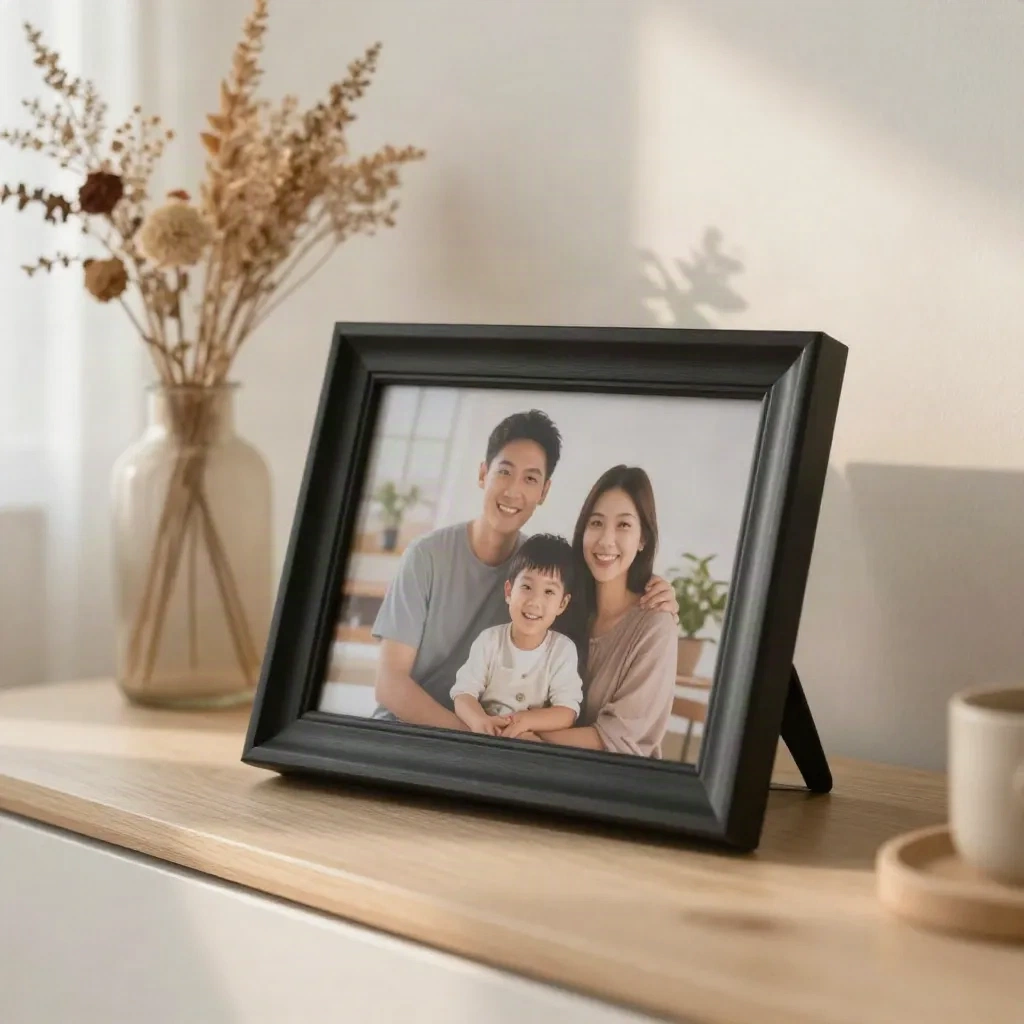
A cloud-connected digital frame is the other photo route, and it only works if you handle the setup yourself. Configure the Wi-Fi at your house, ship it ready, and keep sending pictures from your phone. Plan on roughly $130 to $180 for a decent one. If you will not be the person feeding it new photos every month, choose the printed book instead.
Food gifts that disappear on schedule
A consumable gift has one big advantage with people who are downsizing: it ends. No dusting, no guilt, no decision about where it goes. Good grandparent food gifts share two traits. They are specific to a place or a person, and they are a little more extravagant than what the recipient would buy on a regular Tuesday.
Think a proper box of regional baked goods, a pair of really good jars of honey or preserves, or a tin of loose tea with a small strainer. For a grandfather who has held opinions about pie since 1974, a shipped pie from a famous bakery is a gift and a conversation.
Goldbelly ships iconic regional restaurants nationwide, with items starting around $40, but shipping adds up and delivery is US-only. Check the delivery window and make sure someone is home to bring the box inside, especially in winter.
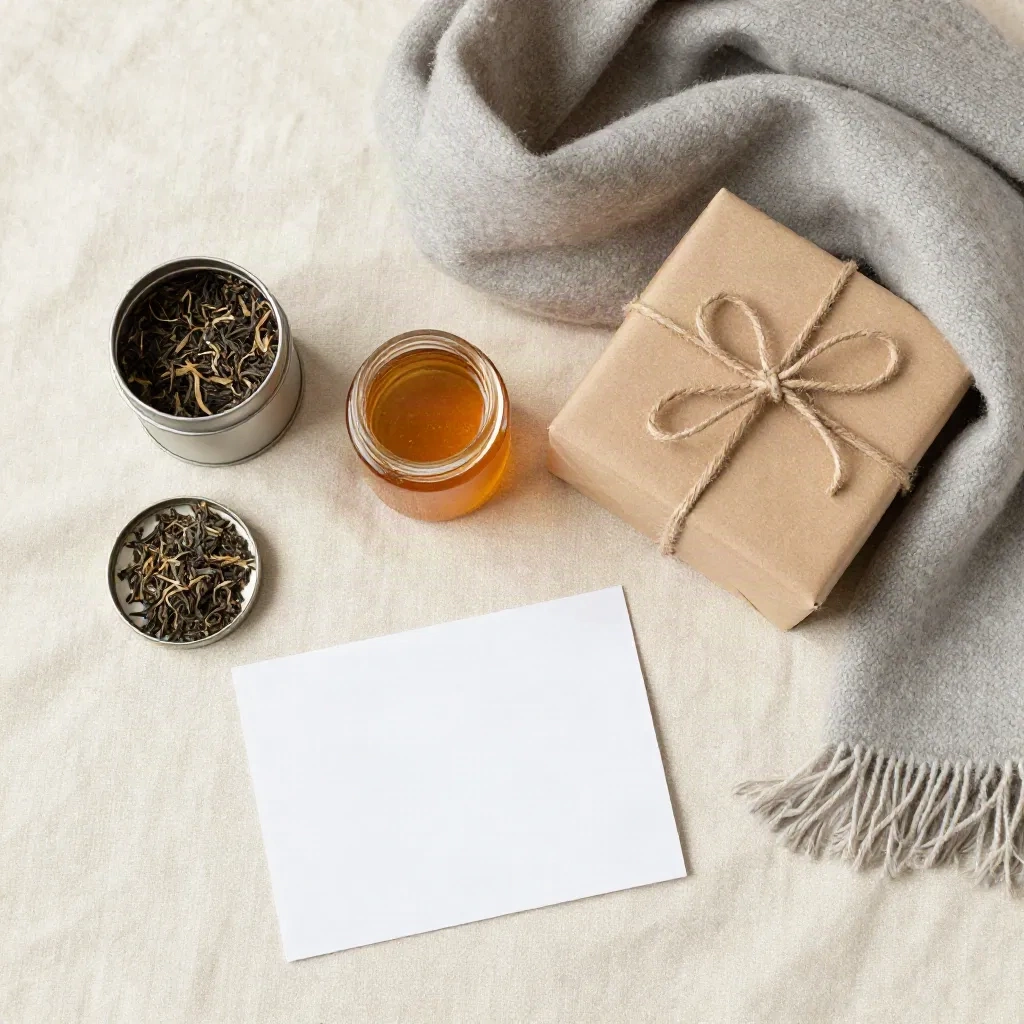
Skip anything in a decorative tin that is mostly sugar if you know they watch their blood sugar. Ask a parent, or look at what is already in the cupboard when you visit. The detail that closes it is a handwritten card saying why you picked it.
Small upgrades to the things they touch every day
This is the category most guides bury, and it is where we would spend the money. Look at the objects your grandparents use several times a day and find the better version.
A reading lamp with a real daylight bulb and a weighted base, for the chair where the reading happens.
A wide-handled kitchen knife set or a good vegetable peeler for arthritic hands.
A heated throw with an auto shut-off, which is the thing most people say they never buy for themselves.
A magnifier with a built-in light for crosswords and prescription labels.
Non-slip slippers with an actual sole, not a fuzzy sock.
None of these is exciting to open. All of them get used every day, and that is the point. The test is simple: will it still be within arm's reach in March?
Use a simple filter before you buy. Would they use it without calling you for help? Could they use it with one hand, or with glasses off? Does it have fewer than three buttons? If the answer to any of those is no, put it back. The grandparents who love their tablet usually had a grandchild sit with them for an hour, which is a gift in itself, but it is a different gift from the object.
Prefer a curated source over a marketplace search here, because quality varies widely.
UncommonGoods filters its catalogue well and packs gifts nicely, though it runs pricier than a big-box store and its smaller range means you may not find the exact lamp you wanted. Treat it as the place to find the one clever item, not the whole list.
Gifts that put you in the room
If your grandparents live far away, the most valuable thing you can send is a standing appointment. A monthly video call with a fixed time. A shared recipe project where they dictate and you write it down. A recorded story, ten minutes at a time, on a topic you choose: the house they grew up in, the first job, how they met.
If they live near you, give a day instead. A class you take together beats a gift card, because there is a person across the bench from you.
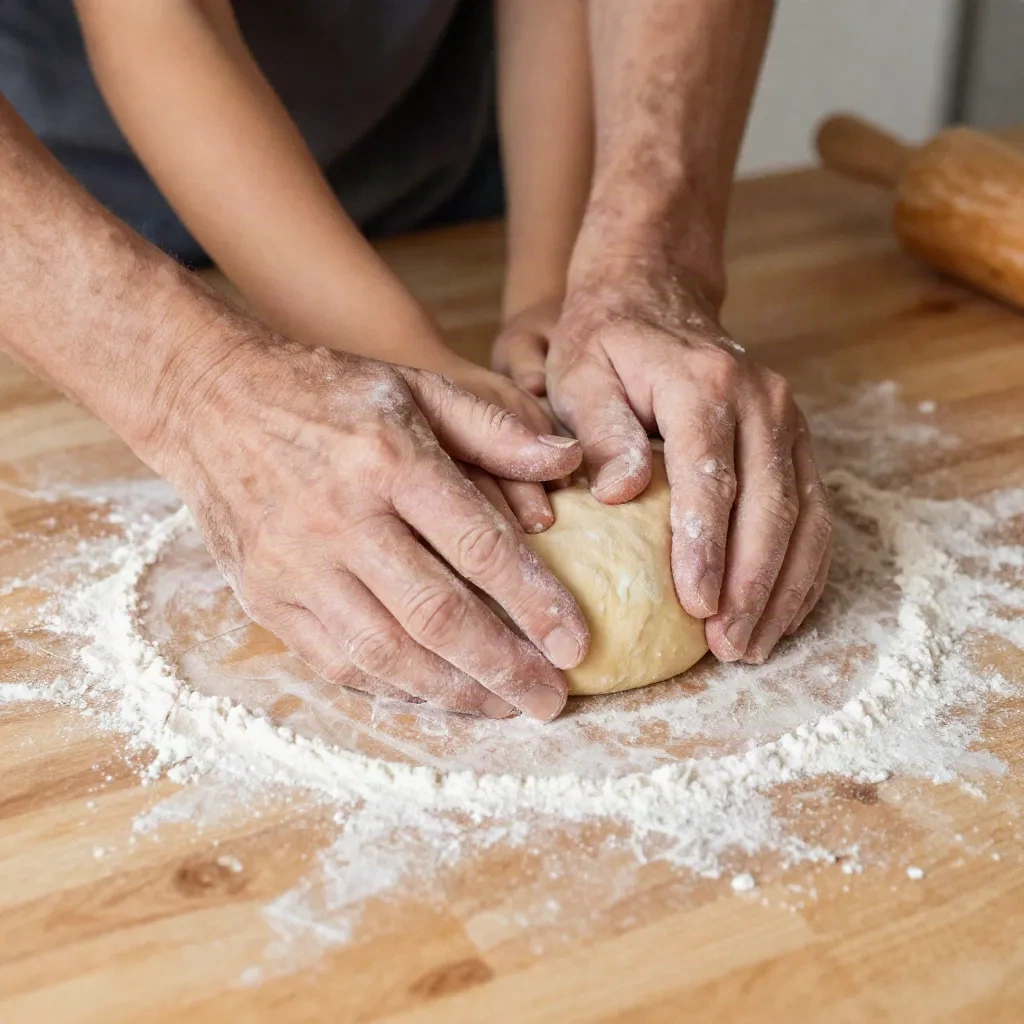
For younger grandchildren, a recipe afternoon is nearly unbeatable. Pick one dish, buy the ingredients beforehand, and let the grandparent run the kitchen. You get the recipe and the memory; they get an audience.
Skip experiences that involve a long drive, a late finish, or a crowded venue. A lovely idea at 9 pm in December is a chore for someone who goes to bed at 8:30.
What if you are shopping from far away or at the last minute?
Distance changes the plan, not the principle. Order two weeks ahead when you can, because winter shipping slips, and ask for a delivery window you can pass on so nobody misses the courier. If the gift is physical, have it sent gift-wrapped with a note, and call on the day it should arrive so you can watch them open it by video.
Last minute is harder, but not hopeless. A gift certificate for a local bakery, a standing grocery delivery for a month, or a prepaid service to take over a chore they dislike (snow clearing, window cleaning, a cleaner for one afternoon) all work, and none of them needs to arrive in a box. Write the card yourself, put the date on it, and promise a specific visit. That promise is the part they will remember.
Skip gift cards to big chains they never visit. A card for a store forty minutes away is a coupon for a trip they will not make.
Personal pieces: when custom is worth the wait
Custom work can land well with grandparents, and it can go wrong in a very particular way: the piece arrives late, or the engraving is wrong, and nobody can fix it before the holiday. We would only order custom if you have at least three weeks of buffer.
The pieces that earn their place are a framed hand-drawn map of the street they grew up on, a family tree print with the names spelled the way they spell them, or a simple piece of jewelry with the grandchildren's initials. Read seller reviews for production time before you commit, and ask about proofs.
Etsy is still the strongest place for short-run custom work, and the reviews per shop tell you a lot. The catch is that quality varies by seller and returns are not unified, so message the seller before ordering and keep their reply.
What we'd actually buy, by budget
Here is how we would spend, assuming a real budget and a real grandparent.
Under $30: a handwritten recipe card set, a tin of loose tea and a strainer, or one framed photo.
Around $50: a small hardcover photo book with fifteen pictures and short captions.
Around $100: a daylight reading lamp or a regional food box shared with the whole table.
$150 and up: a connected digital frame, set up before it ships, plus a reminder in your calendar to keep it fed.
Budget is rarely the real obstacle. The obstacle is attention, so the cheapest gift on this list, a recipe in their own handwriting, often outperforms the most expensive one.
If you can only pick one thing, pick the printed book and sign the first page by hand. Buy it early, because November print queues stretch quickly.
One last piece of advice: ask one specific question before you shop. "What did you use most this week?" gets a better answer than "What do you want?", and you will learn something about their week.