Last-Minute Gift Ideas That Don't Look Last Minute
Summary
These last minute gift ideas work because they are built around knowing someone, not beating the clock. Whether you have two hours or two days, we cover digital subscriptions that arrive in seconds, same-day delivery options that feel considered, and experience gifts that beat most physical objects. Plus what to skip entirely, and the one thing that transforms any rushed pick into a gift people actually remember.
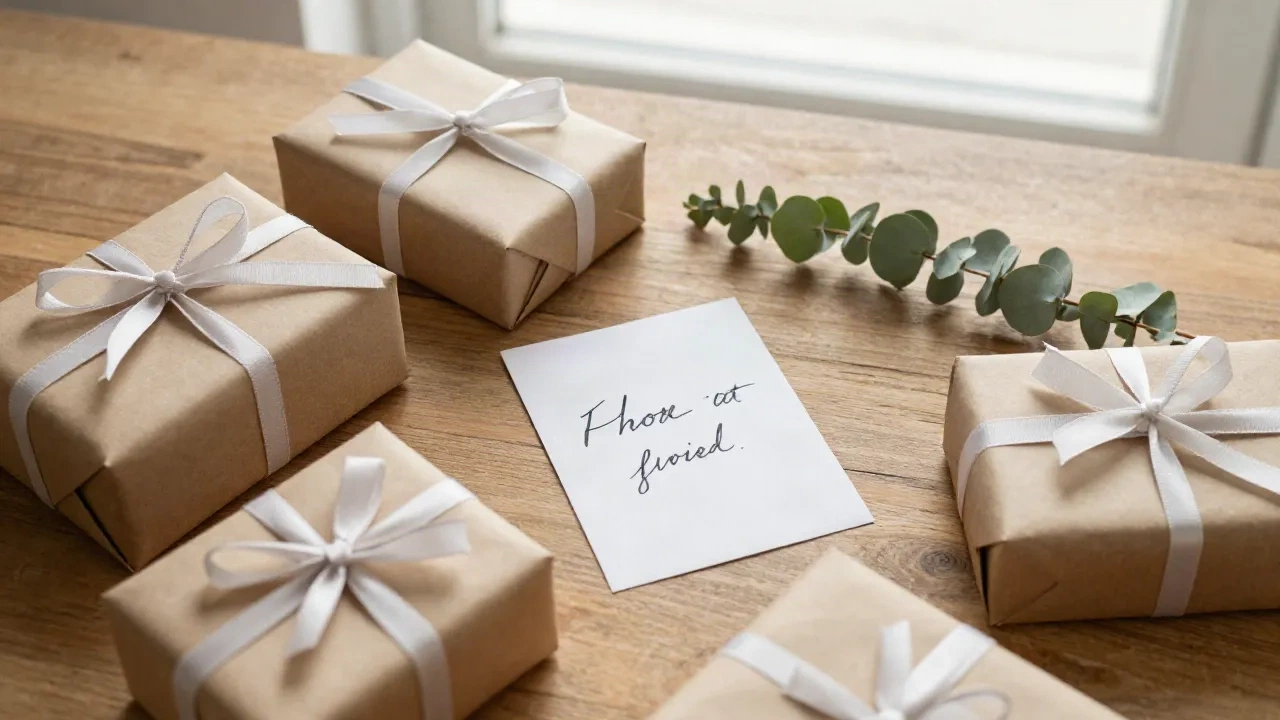
These last minute gift ideas have a reputation problem.
The phrase conjures gas station bouquets and impersonal plastic gift cards, which is unfair, because the best last-minute gifts often outperform the ones agonized over for three weeks. What makes them work is not speed. It is knowing your person well enough to act fast. We have broken this down by time window, by delivery method, and by recipient type, so you can find something that lands right, not just something that shows up before the party.
The real problem with last-minute gifting (it is not the timing)
The issue is rarely that you waited. The issue is defaulting to whatever is most available, which is usually also the most generic. The person who panics into a $50 Amazon gift card has not run out of time; they have run out of ideas. And running out of ideas is a failure of attention, not scheduling.
When you actually know someone, last minute is mostly a logistics problem. Logistics are solvable. You know what they read, what they drink, what hobby they have been meaning to get back to. You know the name of their kid, whether they like floral arrangements or find them fussy, whether they would appreciate a cooking class or spend a month trying to schedule it. That knowledge is the gift. You are just finding the vehicle.
Skip if you are already feeling guilty about the timing: that guilt makes you overthink and land on something too expensive or too safe. The gift that counts is the one that fits the person, not the one that apologizes for its own lateness.
What still works at T-2 hours
Two hours is enough. Here is what it covers.
In-store or curbside pickup. A well-chosen book from any bookstore, with a Post-It note inside at a relevant page: $22, takes 25 minutes. A nice bottle from a wine shop, with a verbal recommendation from the person at the counter so you can quote it when you hand it over, costs $30 and takes 15 minutes. Target same-day pickup for a weighted blanket, a good candle set, or a Bluetooth speaker: fine if you know they would use it.
Same-day flower delivery. Urbanstems, Blooms Today, and local florists operating through DoorDash deliver within two to four hours in most US metro areas. Not a consolation prize. A timed bunch of peonies or garden dahlias, paired with a note that says something specific about why you chose them, is a completely solid gift.
Digital gifts sent by email. MasterClass single-course access, a Spotify Premium gift card, an Audible credit, or a Goldbelly food delivery bundle arrive in the recipient's inbox in under five minutes. We will come back to digital gifts in the next section, because they deserve more than a bullet point.

Digital gifts are no longer a consolation prize
This section is worth slowing down on. The perception gap between "digital gift equals impersonal" and actual recipient experience has narrowed significantly, and in some cases flipped entirely.
The formula for a good digital gift: it should be something the person would love but would not justify buying for themselves. If they would pull out their card the moment you mention it, it is not a gift, it is a reminder.
ReadKidz, which creates AI-animated personalized children's books, is a genuinely good gift for a parent of young kids. You buy a subscription, send the link, and they spend an evening building a storybook where their child is the main character. That experience is collaborative, creative, and specific to their family. It beats most physical toys in the $40-60 range. It is the kind of thing a parent would not buy for themselves, which is the test.
Talkpal is an AI conversation tutor for language learners. It works for the person who has been saying "I want to learn Spanish" for three years but has not made it past lesson four on any app. Three months of real, conversation-led practice is more useful and more considered than a language learning box on a shelf. You can buy it and send the redemption in under ten minutes.
Skywork bundles AI design and productivity tools in one workspace. For the creative person in your life, a designer, a marketer, someone who makes things, gifting a subscription says: "I notice you make things, and I want you to do it more easily." That is specific. That lands. The fact that it also saves them money on multiple separate subscriptions is the practical layer underneath the thoughtful one.
The experience pivot for the person who has everything
This is the angle most last-minute gift guides skip entirely, and it is often the best one.
An experience gift, a cooking class, a pottery session, a wine tasting, a spa afternoon, can be booked today for a future date. Cozymeal and Sur La Table let you purchase and schedule in the same session. Local cooking schools and artisan studios usually take same-day bookings for future dates. The gift is real, it has a date on it, and it gives you something to look forward to together or gives them something to do on their own schedule.
This works because the gift is not the object. It is the anticipation. A confirmed booking for something they will genuinely enjoy is worth more than most things you could wrap.
Worth the splurge if they have mentioned the activity at least twice in conversation. If you are guessing what they would enjoy, the experience approach can backfire: an experience they do not actually want is harder to return than a sweater.
The detail that closes it: add something physical. A printed screenshot of the booking confirmation in an envelope. A card that says what made you think of it. A link sent in a text is not a gift.

Same-day delivery that does not look desperate
Same-day delivery has gotten genuinely good in most metro areas. What it still cannot do: make anything feel considered that is not.
The same-day options that work:
Goldbelly ships regional foods from actual small producers across the US. A six-pack of bagels from a specific NYC bakery, a Louisiana king cake, proper Chicago deep dish from a place they have never tried: these are specific, surprising, and require you to know something about the person's food history. That knowledge is the thoughtfulness. The same-day logistics are just mechanics.
Whole Foods and Erewhon delivery via Instacart or DoorDash. A thoughtfully assembled deli box or snack haul, if you know their preferences, can be at their door in 90 minutes. Not exciting on paper; genuinely appreciated in practice.
Local flower shops with DoorDash integration. Better than national delivery services in almost every case. The flowers are fresher, the arrangements are less template, and the shop owner can often tell you what is seasonal that week.
The same-day options that do not work: generic same-day electronics ordered in a panic, alcohol gift baskets from chain retailers that look like office holiday party surplus, anything that requires three steps to activate.
What we would actually buy
A few specific calls, by situation:
For a friend who reads: a hardcover that just came out in a genre you know they like, with a Post-It at the first chapter. $28-35. 20 minutes.
For a parent of young kids: a ReadKidz subscription, something creative to do on a rainy weekend, with their actual child as the protagonist. $20-40. Five minutes.
For the person learning a language: Talkpal, three-month gift. More conversational than most apps, less gamified. $30. Five minutes.
For a creative professional: Skywork for a month or three. Less about the tool, more about saying: you make things, and I notice. $12-36.
For someone who cooks: a Goldbelly order from a producer in their home city, or somewhere they have talked about wanting to visit. Prices vary; the research takes ten minutes and is the actual gift.
For a partner or close friend: a handwritten letter. No product, no delivery slot, no tracking number. What you actually think about them, written down in full sentences. This is the most last-minute option available. It is also often the best one. The person who has everything never has enough of this.
What to skip entirely
Generic app store or iTunes gift cards: impersonal and rarely used
Department store gift cards as a default: useful only if you know they actually shop there, a guess otherwise
Pre-assembled gift baskets from large chain retailers: they will know it took 90 seconds
Anything that outsources the decision, like "pick whichever one you want": the selection is the gift, and you have handed it back to them
Anything you would feel embarrassed explaining out loud
The honest test: would you give this to someone you genuinely wanted to impress? If yes, give it. If it fails that test and you are giving it anyway, you have given up, which is a worse outcome than asking for a time extension.
The note is half the gift
Most last-minute gift guides end with a product list. This is the part they leave out.
Whatever you give, a book, a Goldbelly box, a Talkpal subscription, a bottle of something good, add a note. Not "Happy Birthday, thinking of you." A specific note: what made you choose this, what you hope they do with it, what you remember about them that made the choice feel right.
A two-sentence note that says something true about the person closes the gap between last-minute and considered. It takes four minutes. It is the thing they will keep long after the gift is gone.