Wedding Gift Ideas That Modern Couples Actually Want
Summary
Most couples getting married in 2026 have already been living together for years. Their kitchen is stocked, their towels match, and the registry exists partly out of etiquette. The best wedding gift ideas skip past the obvious and land in three places: experiences they'll still talk about in five years, subscriptions that arrive months after the wedding, and personalized pieces that reflect who they actually are. This guide organizes the options by how well you know the couple.
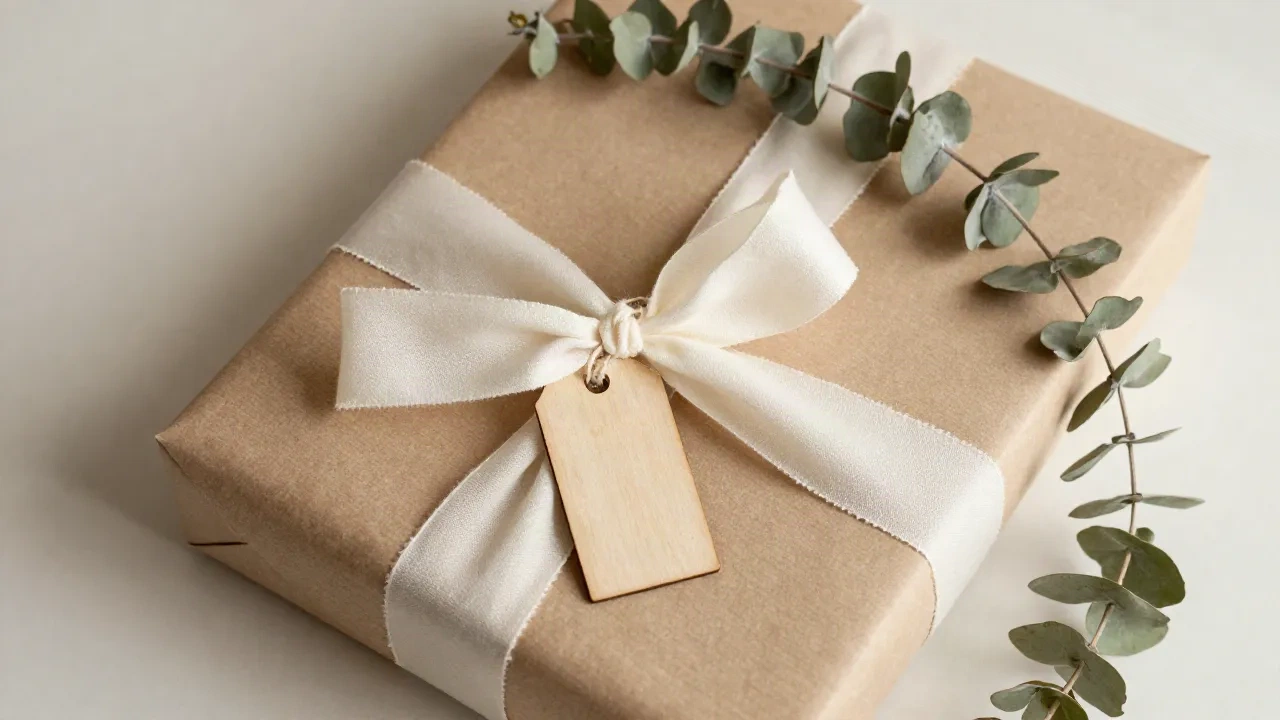
Most people searching for wedding gift ideas end up at the same place: the registry, a quick scan, and the Dutch oven. It works. Nobody sends it back. But for a couple who've been living together for two years and already own a KitchenAid, it lands with about as much weight as a utility bill.
We've spent a while looking at what actually works, both from the giver's side and the receiver's. Here's what we know: the best wedding gift ideas are either deeply considered, genuinely useful in a way the couple wouldn't have thought to register for, or experiences they'll be talking about at the five-year anniversary dinner. Below, a set of ideas organized by what actually lands.
Why the registry is a starting point, not a finish line
The registry tells you a lot: their taste (clean-lined vs. maximalist), their current life stage (still renting vs. just signed a mortgage), and whether they set one up at Crate and Barrel or just linked a Honeyfund. Read it as a signal, not a prescription.
What it won't surface: what they'd love but didn't think to register for because it felt too personal, too extravagant, or too hard to turn into a scannable barcode. A weekend somewhere they've been talking about going. A dinner at the restaurant they always justify for a special occasion but never quite get to. A skill they've both said they want to learn together.
The practical split that works: buy one solid registry item if that feels right, then use the other half of your budget on something they didn't think to ask for. Or skip the registry entirely if you know them well enough to do something better.
The gifts that keep showing up after the confetti
Subscription gifts have a reputation problem. Everyone thinks of the generic wine club that arrives once and then auto-renews into awkwardness. But the right subscription does something a one-time gift can't: it shows up on a random Tuesday three months later, when the wedding is long over and actual married life is underway. That's when a well-chosen gift lands hardest.
Three that consistently work:
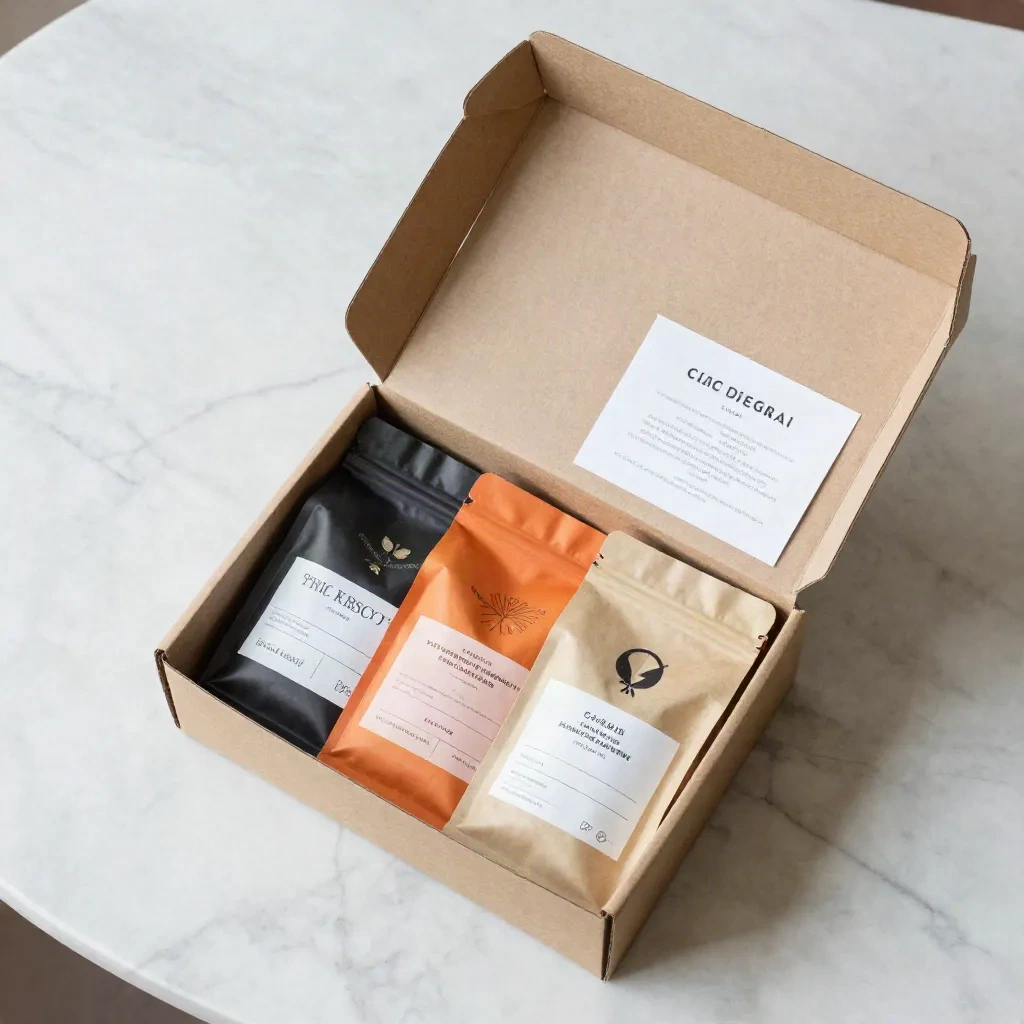
A specialty coffee roaster subscription, $60-$90 for three months. If they're into good coffee, this is genuinely daily rather than decorative. Atlas Coffee Club ships single-origin beans from a rotating country each month with tasting notes and brewing guides. The three-month version lands better than monthly auto-renew: the first delivery arrives before they've written the thank-you notes, the third arrives when the wedding is a distant memory.
A quarterly olive oil subscription, $80-$130 for three deliveries. Undervalued as a wedding gift in every category. McEvoy Ranch and Brightland both have gifting programs. Even people who claim not to care about olive oil start paying attention after one good bottle on good bread.
A flower delivery service, one month, $40-$70. UrbanStems and BloomsyBox are both reliable. Skip this if they're in a studio apartment without counter space to speak of. Worth it if they have a home they're clearly nesting in and care about how it looks.
When cash is the right call, and how to give it well
According to data from The Knot, over 70% of couples getting married now set up some form of cash or contribution fund alongside their registry. Honeyfund, Zola, and The Knot all offer structured ways to accept this. Contributing to the honeymoon fund is not the lazy option. For most modern couples, it's the option they actually want.
Here's how to make it feel considered rather than transactional:
Add a note that references something specific. "For one good dinner on the trip" is a better note than "Congrats." It costs nothing extra and the specificity makes the whole gesture feel intentional. Give a round number if you can. $100 reads as deliberate. $87 reads like a Venmo split from three people who couldn't coordinate. Send it early. Pre-wedding contributions let the couple see what their honeymoon budget looks like before they book flights, not after.
Skip if: you're attending as someone's plus-one and barely know them. In that case, a $60-$80 physical gift from the registry is the right call. No interpretation required.
Personalized gifts that don't look like Etsy panic-buys
There's a version of personalization that lands, and a version that ends up in the donation pile by January.
The version that lands: something they'll display or use regularly, where the personalization is woven into the object rather than laser-etched onto its surface as an afterthought. A hand-thrown ceramic piece with their wedding date worked into the glaze. A custom city map printed at real scale, 24x36 on archival paper and properly framed, of the neighborhood where they met or the place they're honeymooning.
The version that doesn't: the cutting board engraved with their monogram that never gets used because they're afraid to mark it up. The commemorative wine glasses that turn out to be barely dishwasher-safe. The framed photo of the two of them that they already have on their phones, now in a frame they didn't choose.
Worth the splurge if: you can describe their apartment in two adjectives and know what would fit. If you genuinely can't picture their taste, go for experiences or a honeymoon fund contribution rather than personalized items. A generic personalized gift is worse than no personalization at all.
One thing that consistently works: find a local ceramicist, glassblower, or printmaker whose aesthetic already matches what you know of their home, and commission something small. It doesn't need to be a major piece. A single well-made object from a maker they'd have found themselves is the signal that you paid attention.

What actually lasts: the experience tier
A tasting menu reservation, a pottery class for two, a weekend away at a small inn: these are the wedding gift ideas that get mentioned at the five-year anniversary. The reason is structural. A physical object competes with everything else the couple already owns. An experience competes with nothing.
A few that hold up well as gifts:
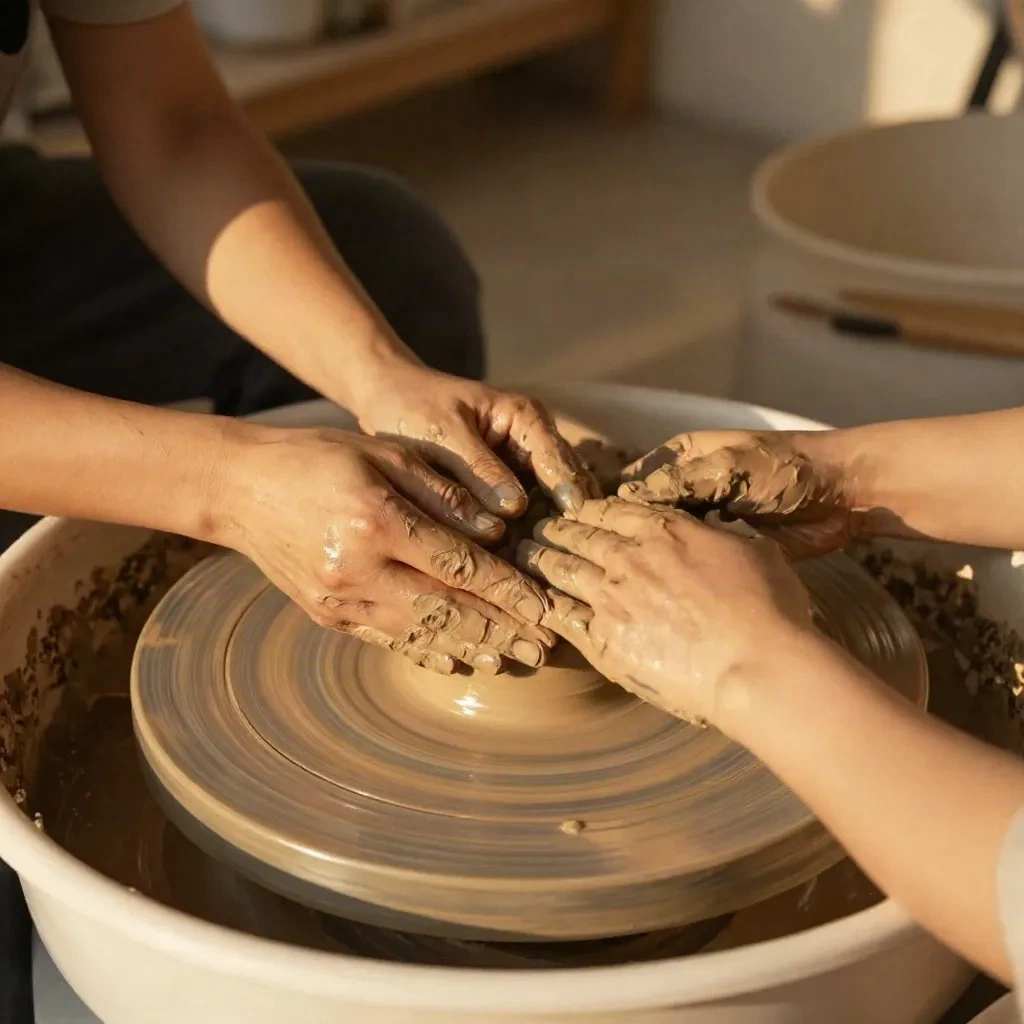
Pottery class for two, $150-$250. Works even for people who swear they're not into it. Available in most cities now; urban studios often have weekend sessions designed for couples or date nights. Buy a class pack from a local studio rather than a generic gift certificate. It's more flexible on scheduling and more local, which matters.
A tasting menu reservation, $180-$350. Pick a specific restaurant they've mentioned but haven't been able to justify. Most fine dining places now accept gift reservations via Tock or Resy. Call, don't just use the app. It signals effort and lets you note the occasion in their reservation.
A weekend inn stay, $200-$400. Works better as a gift than a hotel.com voucher because the specificity is part of the gesture. "I booked you two nights at this inn in the Berkshires" is a different message than a generic hotel credit. Find somewhere with a clear personality: a farmhouse inn with a good breakfast, a lakeside lodge in the right season. The opinion is the gift.
What we'd actually buy depending on how well you know them
You know them well, close friend or family: Go off-registry. Experience tier or a significant personalized piece you're confident about. Budget $150-$300. Write a real card with an actual sentence in it.
You know them moderately, friend of a friend or work colleague: Split the approach. One solid registry item plus a thoughtful note. Or contribute to the honeymoon fund with a specific message about what it's for. Budget $75-$150.
You barely know them, a wedding guest as plus-one or distant family: Registry only. One thing in the $60-$100 range, wrapped properly, with a card that has an actual sentence in it. That's the right move, and there's no shame in it.
The principle that holds across all three: the amount matters less than the signal that you thought about them specifically. A $75 gift that references something they love consistently outperforms a $200 item that required no consideration to choose.
Should you skip the registry entirely?
Sometimes. If you know them well enough to have a strong opinion about what they'd love, and that opinion is better-informed than anything on the registry, then yes. If you've spent time in their apartment, followed along on their renovation, or know what restaurant they've been saying they'll get to eventually, you probably have better information than the registry does.
The registry exists partly because guests expect it. It's a convenience tool for the couple, not a mandate for the giver. Using it well means reading it as a set of taste signals first and then deciding whether to buy from it, or use those signals to inform something better.
The people who give the most memorable wedding gifts are rarely the ones who bought the most expensive thing on the registry. They're the ones who paid attention. That's the whole game, and it doesn't take three hours or a six-week lead time. It takes five minutes of genuine thought and the confidence to act on it.