Minimalist Gift Ideas for Adults That Actually Land
Summary
Ce résumé V8.7 valide trois choses : (1) le champ DB summary se peuple bien, (2) le renderer émet un <details class="cms-article-summary">, (3) le double saut de ligne en paragraphes <p>.
Deuxième paragraphe pour vérifier le split — il doit apparaître séparé dans le rendu HTML final.
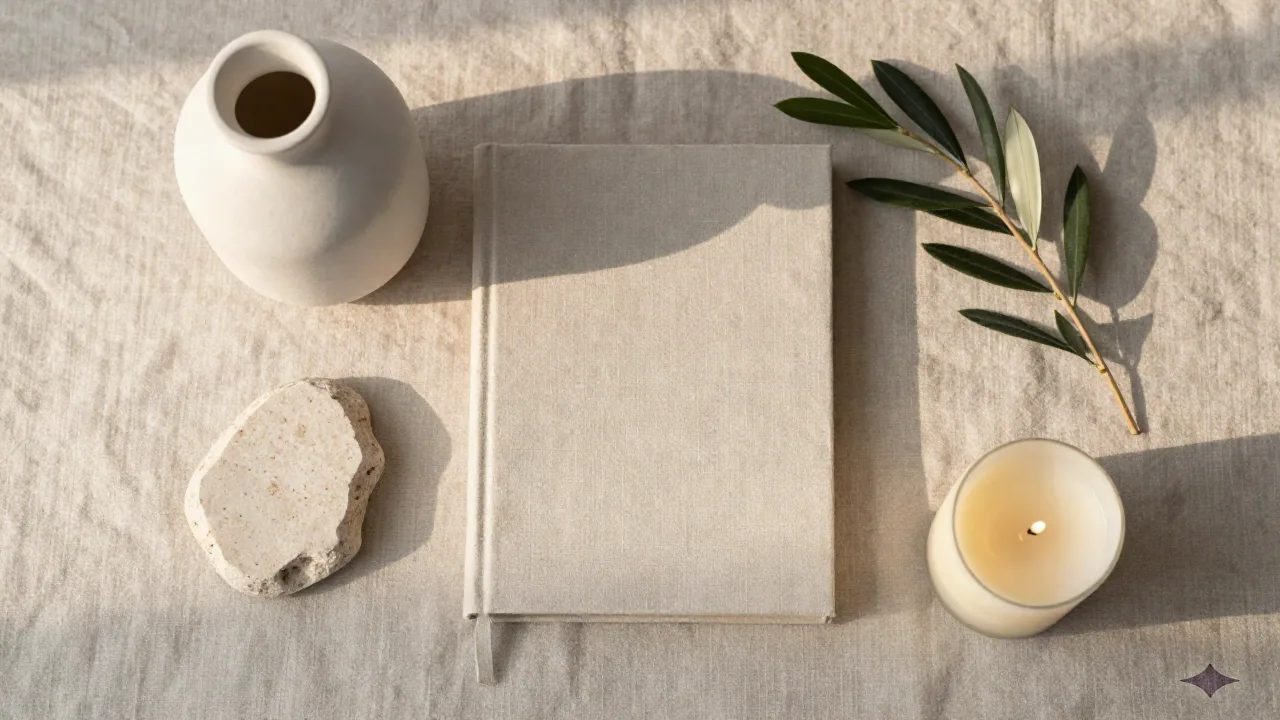
The best minimalist gift ideas adults actually want share one quality: they fit into a life already well-assembled. Not because they disappear, but because they integrate. They occupy the exact amount of space, physical or otherwise, that they deserve, and not a square centimeter more. If you are shopping for someone who owns less than most, who winces at packaging waste and has been known to return things they genuinely liked because the space was not right, this guide is calibrated for them. We are not going to suggest candles as a default (though one specific candle will come up later). We are going to talk about what makes a gift work in a spare life, and then point you at the things that actually do.
What Marcel Mauss understood that gift guides usually miss
In 1925, the French sociologist Marcel Mauss published a study of gift exchange across cultures from Polynesia to the Pacific Northwest. His central observation: a gift is never simply an object transferred from one person to another. It carries the obligation to receive, and then to reciprocate. The gift binds.
This creates a particular problem for the person who has committed to living with less. Every well-intentioned gift arrives with invisible freight: the duty to keep it, to display it, to use it, to explain its absence if you don't. Mauss called this the spirit of the gift. We would call it the social weight of stuff.
When we think about minimalist gift ideas for adults, we think about this weight first. A good gift for a minimalist is not simply small, or consumable, or tasteful. It is light in the Maussian sense: it gives without obligating. It says something about the recipient without demanding that they maintain its presence in their home indefinitely.
The difference between minimalist-safe and minimalist-aligned
Most gift guides conflate these two things. They are not the same.
A consumable, a bottle of wine, a good bar of chocolate, is minimalist-safe. It leaves no trace. It satisfies the obligation to give without burdening the shelf. That is fine, and sometimes it is exactly right.
A minimalist-aligned gift is something else. It is an object that reflects the recipient's values back at them, not just their preference for less clutter. It might be a tool they have been wanting but will not buy for themselves because the price felt extravagant. It might be a book they have been circling. It might be an experience that deepens something they already care about.
The best gifts in this guide land in both categories at once: they will not accumulate dust, and they say something true about the person receiving them.
Skip: anything framed as a "gift set." Curated boxes of five small things that do not quite go together are the opposite of minimalist thinking. You are giving five decisions instead of one.
Objects that earn their space
There is a category of object that minimalists actually buy for themselves, and it is usually expensive enough that they have been putting it off. Your job, as a gift-giver, is to identify that object and give it permission to exist in their home.
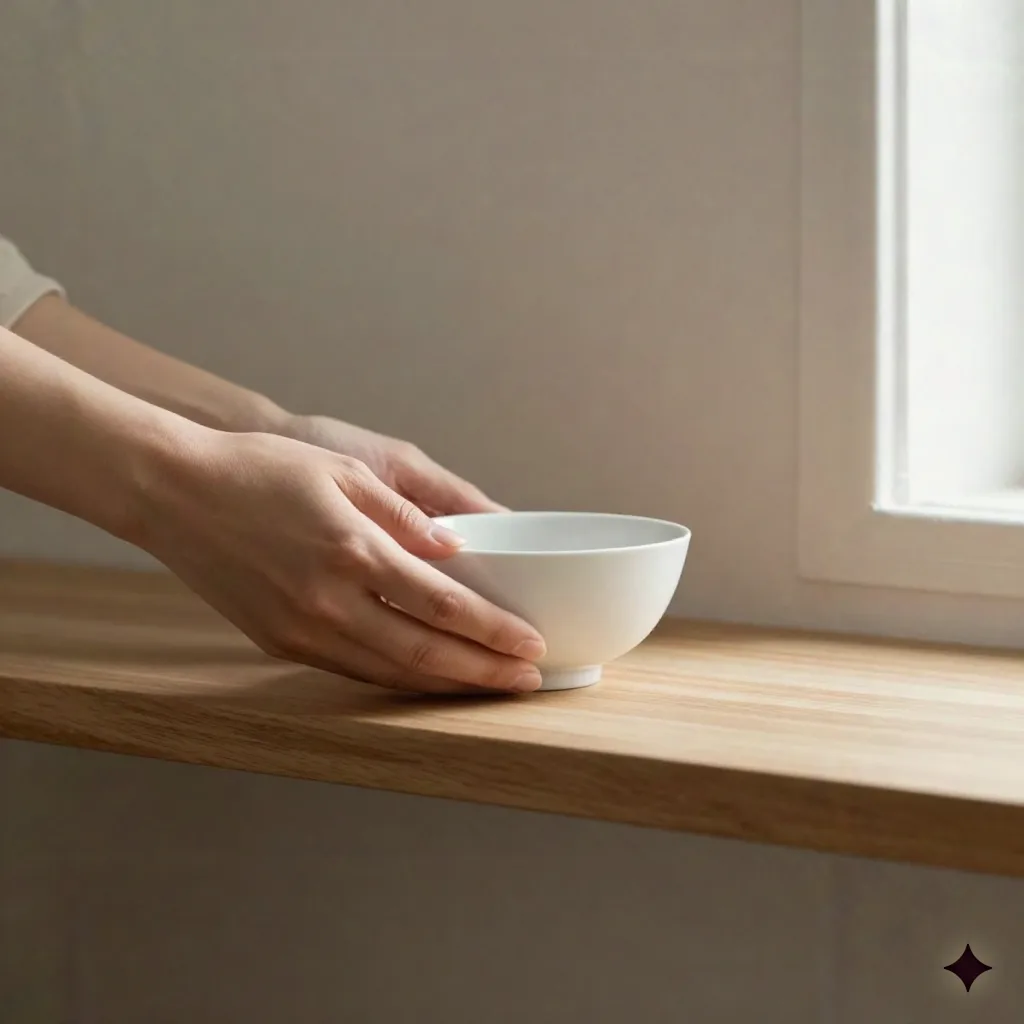
For many people in this category, it is ceramic. A single piece, made by hand, in a form that is both useful and still. A bowl for keys or a small vase with a clean lip. UncommonGoods has a curated selection of studio ceramics that skips the mass-produced pieces, and the prices sit in a range of $45 to $120 that makes sense for a considered gift without feeling conspicuous.
For others it is textiles. A single linen throw, a well-made cushion cover in natural fiber. Not a set. One thing, done well.
For design-aware adults, it is often stationery or tools: a Japanese mechanical pencil they have admired in a shop window, a leather notebook cover that will last ten years. These objects earn their space because they are used every day and they age in a way that becomes part of the person's story.
This works because: the gift disappears into daily life without disappearing from it. It is present without demanding attention.
Why experiences are not automatically the answer
Every guide to gifts for minimalists reaches for experiences as if they are a category unto themselves, morally superior to objects, guaranteed to leave no clutter. This is sloppy reasoning.
An experience can be as burdensome as a vase. A cooking class for someone who does not love cooking is an obligation with a calendar date. A concert for someone who does not want to be out on a Thursday is a gift that has to be refused, which is worse than returning an object.
The question is not "experience vs. object" but rather: does this fit how this person actually lives? A slow afternoon at a sauna, for someone who has been talking about trying one, is genuinely light. A wine-tasting tour for someone who drinks one glass of natural wine at home is generous in the wrong direction.
Worth the splurge if: you actually know how they spend a free afternoon. Skip if: you are guessing.
The case for consumables done with intention
The default minimalist gift, a candle, a bottle of wine, artisanal coffee, gets a bad reputation because it is so often given without thought. "Consumable" becomes code for "I did not know what else to do."
But consumables, chosen with real attention, are among the best gifts you can give. The logic is simple: the person who wants less stuff still wants to experience good things. They want to drink excellent coffee. They want to burn a candle that fills a room with a scent that is not synthetic.
The bar is specificity. Not "nice candles" but a particular maker whose work you know they would not have found on their own. On Etsy, you can find small-batch chandlers using beeswax and plant-derived botanicals, selling in quantities of one, with scent profiles that do not read like a department store floor. This is worth the fifteen minutes of searching.
Similarly: a bag of coffee from a roaster in a city they have been wanting to visit, or one they do not know. The gift arrives with a provenance. It has a story. And then it is gone, with no obligation left behind.

Things that look minimalist but are not
A quick taxonomy of gifts marketed as minimal that rarely are:
Multipurpose gadgets. The kitchen tool that slices, dices, and does three other things. Minimalists are almost never fooled by this. More functions mean more decision fatigue and a larger footprint in the drawer.
Monogrammed items. Unless you know for a fact that the person uses a monogrammed anything in their daily life, personalization adds weight, not lightness. It makes the object harder to let go of.
Luxury versions of things they already own. If they have a water bottle they love, an upgrade is not a gift, it is a problem. They now have two, and the old one has sentimental value.
Book collections. One book, carefully chosen. Not a boxed set of four. The person who reads can acquire their own sequels.
These categories all share the same flaw: they ask the recipient to make a choice they did not invite. The multipurpose gadget asks: where do I put this? The monogrammed item asks: can I let this go? The luxury duplicate asks: what do I do with the one I had? A good minimalist gift never asks the recipient to solve a new problem.
What we would actually wrap
If we were shopping for a design-aware adult who prefers less, right now, in 2026:
Under $50: A single-origin coffee subscription for one month from a roaster they have not tried. The physical footprint is a kraft paper bag. The experience is six mornings.
$50 to $120: A handmade ceramic piece from a studio that makes one form very well. We return often to UncommonGoods for this, or directly to makers on Etsy whose profiles show real craft and a consistent hand.
$120 to $250: A half-day experience, a pottery class where they make something themselves and get to keep it or not, or an afternoon at a Nordic-style bathhouse if one exists near them. Something slow. Something that has no required output.
In all three cases, the wrapping matters as much as what is inside. Kraft paper, a hemp cord, a handwritten card. No tissue paper, no confetti, no decorative filler that becomes its own small clutter problem. The person who thinks carefully about what enters their home will notice that you thought carefully about this too. That noticing is where the gift actually lives.
Skip if: you are buying for a couple who genuinely needs household items, or for someone who has not yet committed to a particular way of living. Minimalist gifts land best when the recipient has a relationship with their own space. For everyone else, a well-made kitchen item or a beautiful book is still the right call.